B. Sc. in Food, Nutrition and Dietetics (B. Sc. FND)
4 years / 8 semesters
What is Food, Nutrition & Dietetics?
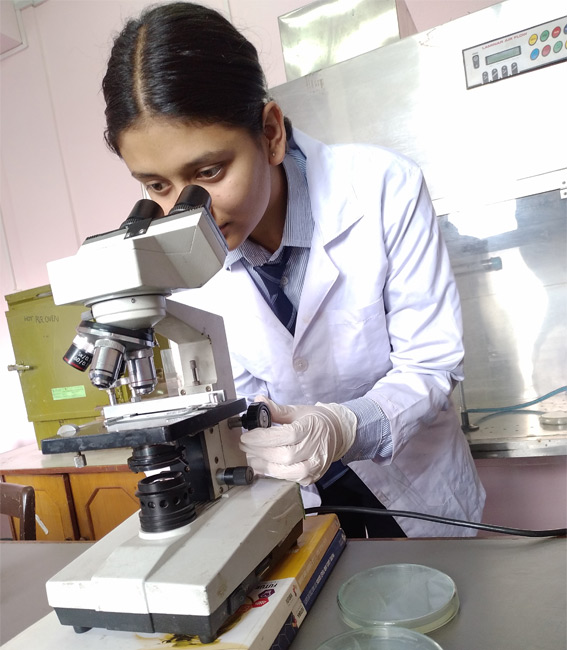
Food, Nutrition, and Dietetics are interconnected fields focused on the study of food and its impact on human health and well-being. Here's a breakdown of each component:
Food
Food is any substance that is consumed to provide nutritional support for the body. It typically comes from plants, animals, or other sources and contains essential nutrients required for growth, energy, and maintenance of bodily functions. The study of food involves understanding its composition, properties, and how it can be processed, preserved, and prepared to ensure safety, quality, and nutritional value.
Nutrition
Nutrition is the science of how the body uses food and drink to support health and well-being. It involves understanding the nutrients found in food—such as proteins, carbohydrates, fats, vitamins, and minerals—and how they are absorbed, processed, and utilized by the body. Nutrition also examines how dietary choices impact overall health, including growth, energy levels, and the prevention of diseases.
Nutrition is the science that examines the relationship between diet and health and understand how the body uses food and drink to support health and well-being. It involves understanding the nutrients found in food—such as proteins, carbohydrates, fats, vitamins, and minerals and studying how the body utilizes nutrients from food to maintain life and promote growth, repair tissues, and regulate bodily functions.
Key areas of nutrition include:
- Macronutrients: Proteins, carbohydrates, and fats that provide energy and are essential for body functions.
- Micronutrients: Vitamins and minerals required in smaller amounts but crucial for maintaining health.
- Dietary Guidelines: Recommendations for a balanced diet that meets the nutritional needs of different population groups.
- Nutritional Deficiencies and Disorders: Understanding conditions caused by inadequate or excessive nutrient intake.
Dietetics
Dietetics is the application of the principles of nutrition to design and manage diets, especially for individuals with specific health needs. Dietitians and nutritionists use nutrition knowledge to help people make informed choices about what they eat and drink and to develop meal plans that meet their individual needs and goals.
It involves:
- Clinical Dietetics: Working in healthcare settings to develop and manage nutrition programs for patients with specific health conditions, such as diabetes, cardiovascular diseases, and obesity.
- Community Dietetics: Educating and promoting healthy eating habits within communities to prevent and manage nutrition-related health issues.
- Food Service Management: Overseeing the planning and preparation of meals in institutions like schools, hospitals, and cafeterias, ensuring they meet nutritional standards and safety regulations.
- Research and Education: Conducting research on nutrition and dietetics to develop new knowledge and improve practices, and educating future dietitians and nutritionists.
Integration of Food, Nutrition, and Dietetics
These fields collectively aim to enhance human health by ensuring that people have access to safe, nutritious food and are informed about how their dietary choices affect their health. Professionals in these areas work together to address issues such as malnutrition, dietary-related diseases, food safety, and sustainable food systems, ultimately striving to improve overall public health and well-being.
About the B. Sc. Food, Nutrition and Dietetics Program
B. Sc. in Food, Nutrition and Dietetics is a bachelor’s degree program that focuses on food science, nutrition, and dietetics to provide a comprehensive understanding of food processing, preservation, nutrition, and diet therapy. This program allows having exposure to both theoretical and practical aspects of food science, Nutrition and Dietetics
- This course provides complete coverage on Food science, which defined as the scientific study of the physical, chemical, biological and technical aspects of food and food products, and of the processes for producing, preserving, storing, distributing and consuming them.
- Nutrition is defined as the science that deals with food and how they support bodily processes. It encompasses knowledge of nutrient in food, metabolism and utilization of the nutrients and the role of food in health.
- This course provides complete coverage on the nutrition pattern, nutritional requirements, and appropriate diet type of different individuals, and teaches the candidates how to improve the food habits and ensure dietary wellbeing of the people.
- This course dwells into deeper depths of nutritional requirements of an average human being and teaches the candidates the importance of various types of nutrients and the functions performed by them in our body, also covers the various nutrition deficiency disorders and ways to recover from them. .
- Dietetics in its broad and general sense is the use of nutritional principles in meeting human nutrition requirements. Dietitians evaluate, coordinate and oversee the food and nutrition therapy for the improved health of the populace.
- This course teaches the students the different types of diet plans that need to be prepared depending on the need of the individual.
Upon completion of B. Sc. in Food, Nutrition and Dietetics program, graduates are equipped with knowledge and skills in the field of food, nutrition and dietetics, and are prepared for careers in a variety of settings, including hospitals, community health organizations, research institutions, and the food industry. They may also choose to continue their education and pursue master and doctoral degrees.
Objectives
The objectives of B. Sc. in Food, Nutrition and Dietetics (B. Sc. FND) academic program are:
- To provide the students with theoretical as well practical knowledge of general chemistry, food chemistry, biochemistry, food process engineering, product specific technologies, food processing and preservation methodologies, quality control and food/ dairy plant management.
- Empowering students with the knowledge and skills of nutritional science and diet management to promote public health, safeguard well-being, and ultimately, save lives.
- To fulfill current need of Bachelors level graduates who possess recognized clinical, public health and diet management skills and able to analyze, design and implement nutritional program and interventions.
- To produce the graduates who are qualified to work as nutritionist and dietitian in the hospitals, health care institutions and other specialized areas such as community and public health and other food and nutrition related sectors.
- To provide hands-on experience through internships and research projects in relevant fields.
Career / Job Prospects
- Sc. Food, Nutrition and Dietetics graduates have various career and job prospects. Some of the common career paths include:
- Get employment in governmental, semi-governmental, and non-governmental organizations and other projects and programs.
- Private Practice and Consultancy: Many graduates go on to open their own nutrition consultancy or private practice to offer individualized diet planning, nutrition counseling, and wellness coaching to a wide variety of individuals and organizations.
- Clinical Nutritionist/Dietitian: Graduated persons can work in hospitals, clinics, and other health environments, extending dietary counseling and personalized nutrition plans to patients with a myriad of health conditions. With increasing awareness towards health and wellness, the demand for qualified dietitians is on the rise.
- Public Health Nutritionist: With a rising demand for nutritionists working on community nutrition, maternal and child health, and nutrition education within public health programs, NGOs, and government agencies, their tasks range from developing to implementation of nutrition programs and policies.
- Sports Nutrition: With the growing interest in fitness and sports activities, the requirement for sports nutritionists to help athletes and sports teams realize optimal performance with proper diet and nutrition also increases.
- Food Quality Control and Safety: There are graduate jobs in the industry relating to food quality, safety, and regulatory compliance. Some examples are food processing, testing laboratories, and regulatory institutions.
- Food Service Manager: Food service managers plan, direct, and coordinate food service operations in healthcare facilities, schools, and other institutions.
- Researcher: Nutrition and dietetics graduates may pursue careers in research, working in academic institutions, government agencies, or private companies to conduct research in areas such as obesity, food fortification, and food safety.
B. Sc. Food, Nutrition and Dietetics programs in the CAFODAT COLLEGE is THE CHOICE for anyone wanting an exciting, fast-paced career in Food, Nutrition and Dietetics.